Lead Generation / Venue Marketing
Wedding Venue Marketing Budget: How to Set One That Produces Tours
A venue can spend $2,000 in a month and still have no idea whether it bought useful demand or a pile of inquiries that never became tours. The number is not the problem. The missing link between spend, tours, and signed contracts is.
A workable wedding venue marketing budget starts with the dates you need to fill and works backward. It does not start with what another venue says it spends, or with a percentage that feels tidy in a spreadsheet. You need a budget that has one job: create enough qualified opportunities to reach a booking goal without hiding where the money went.
This guide is about that operating decision. The separate wedding venue advertising guide compares platforms. The marketing ROI guide explains the math after results arrive. Here, the question is how much to put into the system before you have those results.
Start with the dates and bookings you need
A budget only makes sense against a real target. Pick the next period you can influence, usually the next 90 days, and list the dates or event types that need demand. A venue with ten open Friday dates has a different problem from a venue that needs more midweek corporate work.
Then write down four numbers from your own last few months: average booked value, inquiry-to-tour rate, tour-to-booking rate, and the number of bookings needed. If you do not have clean history yet, use conservative working assumptions and replace them as the data comes in.
For example, suppose a venue needs four additional bookings. Its sales team expects one booking for every four completed tours, and it expects one completed tour for every three qualified inquiries. That means the immediate target is sixteen completed tours and roughly forty-eight qualified inquiries. The budget conversation can now be specific: which channels can create those forty-eight qualified inquiries, at what observed cost, with enough lead time to sell the open dates?
This is why a total spend target without a tour target is so fragile. It gives everyone a number to defend, but it does not tell the team what success looks like.
Build the budget in three buckets
Most independent venues need three kinds of work happening at once. The split should change with the season, but the buckets make the decision clearer.
The first bucket is demand capture. This includes paid search, directory placements you can track, and location pages that help people who are already searching find the venue. It is useful when there are open dates and a clear offer, such as a winter wedding package or a corporate off-site option.
The second is demand creation. This includes paid social, venue content, photography and video used in campaigns, email to past inquiries, and vendor partnerships. It gives people a reason to consider the venue before they search for a specific space. It usually needs more patience than demand capture, so do not judge it by the same week-one numbers.
The third is conversion and measurement. This is the part owners are tempted to skip because it does not look like advertising. It includes the landing page, inquiry form, calendar handoff, lead routing, follow-up, CRM fields, and reporting. But sending more people into a slow or unclear process does not fix a demand problem. It makes the waste harder to see.
A small budget may put most of its cash into one controlled campaign while the team improves the conversion bucket through existing tools and process. A larger budget may fund all three. Either way, name the work. "Marketing" is too broad to manage.
Use a simple first-month budget instead of a heroic annual plan
An annual budget is useful for cash planning. It is a poor excuse for leaving a weak campaign alone for twelve months.
Start with a first-month test that you can afford to learn from. Give one channel one audience, one offer, one landing page, and one outcome to produce. For a wedding venue, that might be a paid search campaign for local high-intent terms, or a paid social campaign showing a specific seasonal package to couples within the travel radius.
Keep the test small enough that a bad result does not damage the season, but large enough to create real conversations. If it generates only two inquiries, you learned very little about the channel. If it sends fifty inquiries to a team that cannot answer them quickly, you learned the wrong lesson.
Before launch, decide what would make you pause, continue, or increase spend. A channel that produces tours but no bookings may need a better offer, pricing communication, or sales follow-up. A channel that produces cheap inquiries but no tours is probably attracting curiosity, not fit. A channel that produces fewer leads but stronger bookings may deserve more money even if the cost per lead looks worse.
That is the moment to use VenueFlow AI's lead-generation service: when you need the campaign and the follow-up path to work as one system, not as two separate vendors blaming each other.
Track the full path before you judge the cost
A venue should be able to open one report and see the route from spend to booked revenue. At minimum, every inquiry needs a source, campaign, inquiry date, response time, qualification outcome, tour status, proposal status, booking status, and booked value.
Campaign tags make this much less painful. Google's URL builder guidance explains that utm_source, utm_medium, and utm_campaign identify the campaign that referred the traffic. Use a consistent naming convention. instagram, Instagram, and ig should not become three separate rows in your report because someone typed a different label on a Friday afternoon.
Google Analytics also lets you mark actions that matter to the business as key events. For a venue, a completed inquiry form, tour request, brochure download, or booked consultation can be a useful event, provided the team agrees on what each action means. Do not mark every button click as a success. You need a short list that helps distinguish attention from buyer intent.
For paid search, Google Ads web conversion setup can measure actions people take after clicking an ad. That is useful, but it still stops short of a signed contract. Bring the lead source into your CRM, then close the loop when the event is booked or lost. The venue CRM tracking guide shows the fields that keep that handoff from disappearing into inboxes and spreadsheets.
Choose the numbers that decide whether to keep spending
Cost per lead is an early warning metric. It is not a budget decision by itself.
Use three layers instead. First, cost per qualified inquiry tells you whether the campaign is bringing people with a plausible date, guest count, location fit, and budget. Second, cost per completed tour tells you whether the initial interest survives the next step. Third, cost per booking tells you whether the channel is paying for itself.
Say a venue spends $1,200 on one campaign in a month. It produces twenty-four inquiries, twelve qualified inquiries, six completed tours, and two bookings. The cost per inquiry is $50. The cost per qualified inquiry is $100. The cost per completed tour is $200. The cost per booking is $600.
None of those figures are automatically good or bad. Compare the $600 to the contribution margin and long-term value of the two booked events, not just the headline revenue. Then compare it with other channels using the same definitions. If a directory reports leads but the team cannot match them to tours, do not call it cheaper. Call it unmeasured.
The wedding venue analytics guide can help you turn these numbers into a weekly scorecard instead of a once-a-quarter cleanup project.
Protect the budget from leaks before adding traffic
The most expensive marketing problem is often a lead that already arrived. A slow response, a vague reply, an unavailable calendar, or a form that never reaches the right person can turn paid traffic into an expensive notification system.
Test the experience as a couple would. Submit an inquiry from a phone. Check how long the reply takes, whether it answers the obvious questions, and whether the next step is clear. Ask the sales team to read the last ten lost inquiries. The reason is often sitting in plain language: date unavailable, outside budget, no reply, no clear pricing range, or a tour that was never confirmed.
This is not an argument against paid campaigns. It is an argument for earning the right to scale them. The five-minute lead-response guide explains why a fast first reply matters, while AI follow-up can keep early messages, reminders, and routing consistent when staff are busy with events.
Reallocate monthly, not emotionally
A good budget changes when the venue learns something. That does not mean changing every campaign after three days because a dashboard looks quiet. It means setting a regular decision date and using the same evidence each time.
At the monthly review, list each channel with spend, qualified inquiries, completed tours, bookings, booked value, response time, and the main lost reasons. Read the numbers beside the actual sales notes. A source with low cost per lead may be full of dates you cannot host. A source with higher cost per lead may bring larger, easier-to-close events. The spreadsheet gives you the pattern; the notes explain why it happened.
Move more budget to the channel that produces profitable bookings and can handle more volume. Hold or repair a channel that produces good-fit interest but drops between inquiry and tour. Pause a channel when it repeatedly delivers poor-fit demand and the offer or targeting cannot be fixed. Keep a small learning budget only when you can name what you are testing next.
Seasonality belongs in this review too. If the venue is entering a period when couples book far ahead, the campaign may need to optimize for inquiry volume and relationship building before the event date is close. If a difficult month is only weeks away, the offer and follow-up need to make an immediate tour feel worthwhile. Do not use the same budget logic for a next-summer Saturday as you use for an unfilled Thursday next month.
A budget is useful when it creates a decision
The point is not to find the perfect percentage of revenue. It is to replace guesswork with a repeatable path: set the booking target, test a controlled amount, track the full funnel, then fund what creates profitable tours and bookings.
If your venue has traffic and inquiries but the calendar is still thin, the next move may not be another ad campaign. It may be a cleaner inquiry path, faster follow-up, or reporting that finally shows which source is worth the spend. VenueFlow AI can help you connect lead generation, CRM tracking, and follow-up into one operating view. Start with the dates you need to fill, and build the budget around the work that gets people to a tour.
For the broader operating sequence, read the 90-day wedding venue marketing plan next.
Key Takeaways
- Set the budget from booking and tour goals, not a percentage copied from another venue.
- Keep paid, organic, referral, and directory sources separate in tracking.
- Move more budget only after source-to-booking data supports the decision.
Frequently Asked Questions
Written by
Zaid Mohamed
Founder, VenueFlow AI
Zaid Mohamed is the founder and CEO of VenueFlow AI. He started in venue marketing at 19 and has spent the last several years building lead generation, lead handling, and booking systems for wedding and event venues across Canada and the United States. After watching independent venues lose bookings to slower competitors week after week, he built VenueFlow AI to give them the same response-time edge as national chains. He writes about venue marketing strategy, lead response economics, and how AI changes the booking pipeline.
LinkedInTurn this into booked tours
Want help applying this to your venue pipeline?
VenueFlow AI combines wedding venue lead generation, instant human-led follow-up, and CRM tracking so your team can respond faster and book more tours from the same demand.
Related Articles
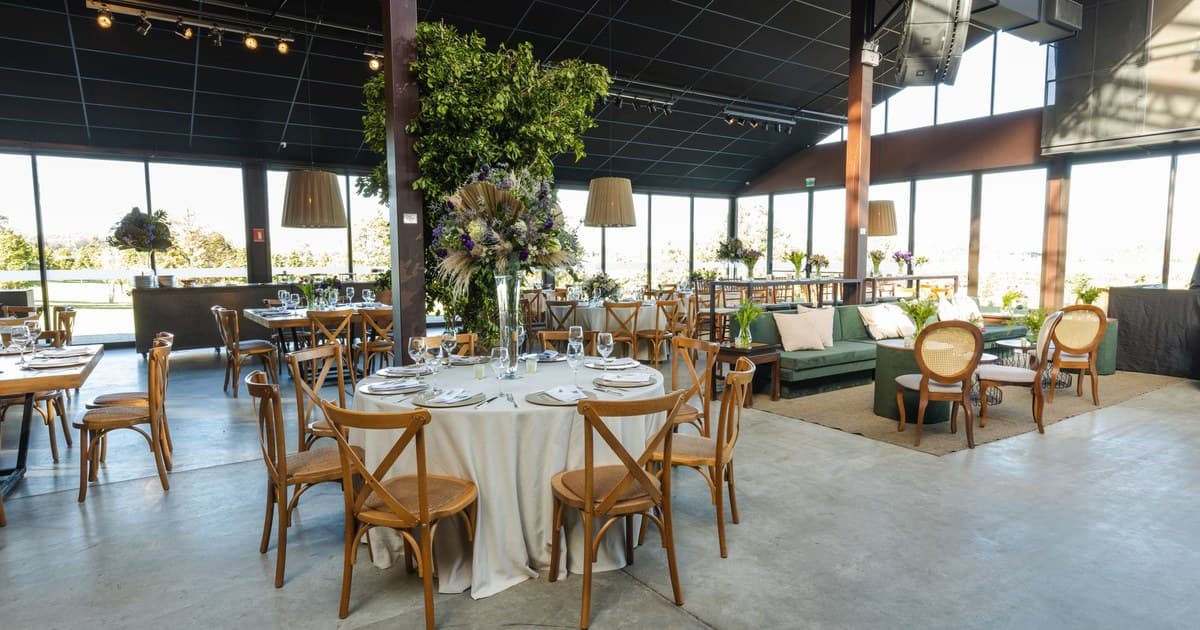
Venue Marketing / Industry Insights
How to Define Your Wedding Venue's Target Market
Choose the wedding and event clients your venue can serve well by checking capacity, dates, inquiry history, local competition, and booking outcomes.
Venue Marketing / Lead Generation
Wedding Venue Marketing Audit: Find the Leaks Before You Buy More Ads
A practical wedding venue marketing audit that finds weak demand, leaky inquiry paths, slow follow-up, and reporting gaps before you increase ad spend.
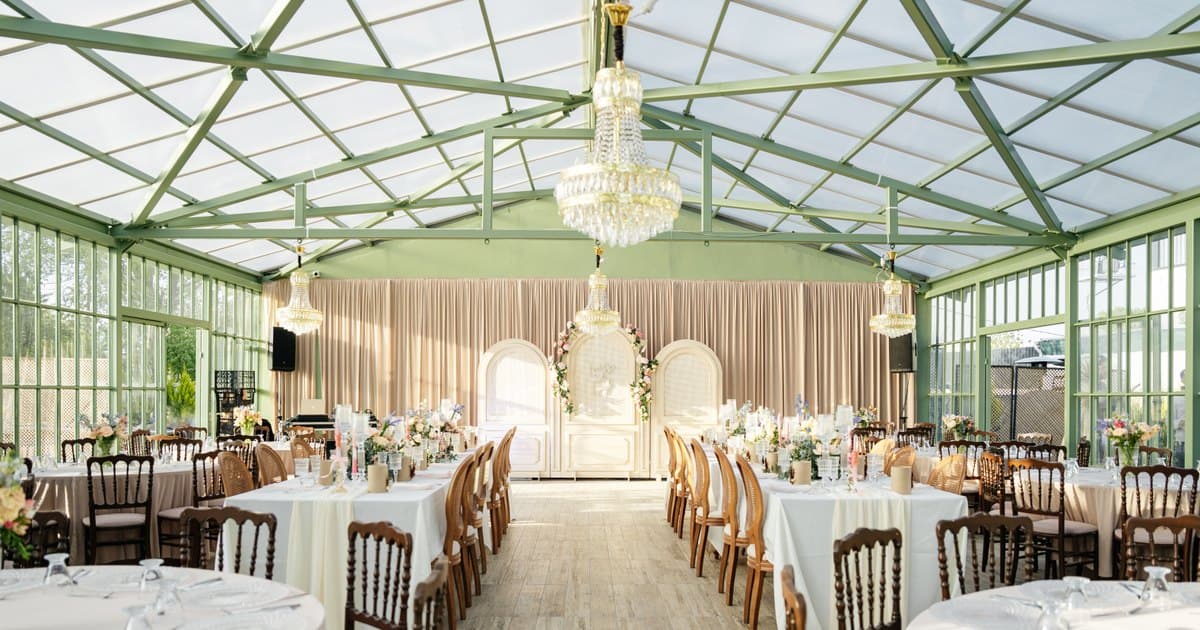
Venue Marketing / Lead Generation
Venue Marketing Automation: What to Automate First
A practical venue marketing automation plan for routing inquiries, booking tours, tracking sources, and keeping follow-up from going quiet.