Build a venue growth system that turns interest into booked tours.
This guide recreates the long-form VenueFlow playbook structure in a sharper, more premium format. Use it to tighten your positioning, improve your site, run smarter campaigns, and follow up faster than competitors.
- growth chapters
- 8
- to scan the outline
- < 10 min
- for ads, site, CRM, and follow-up
- 1 system
growth chapters
to scan the outline
for ads, site, CRM, and follow-up
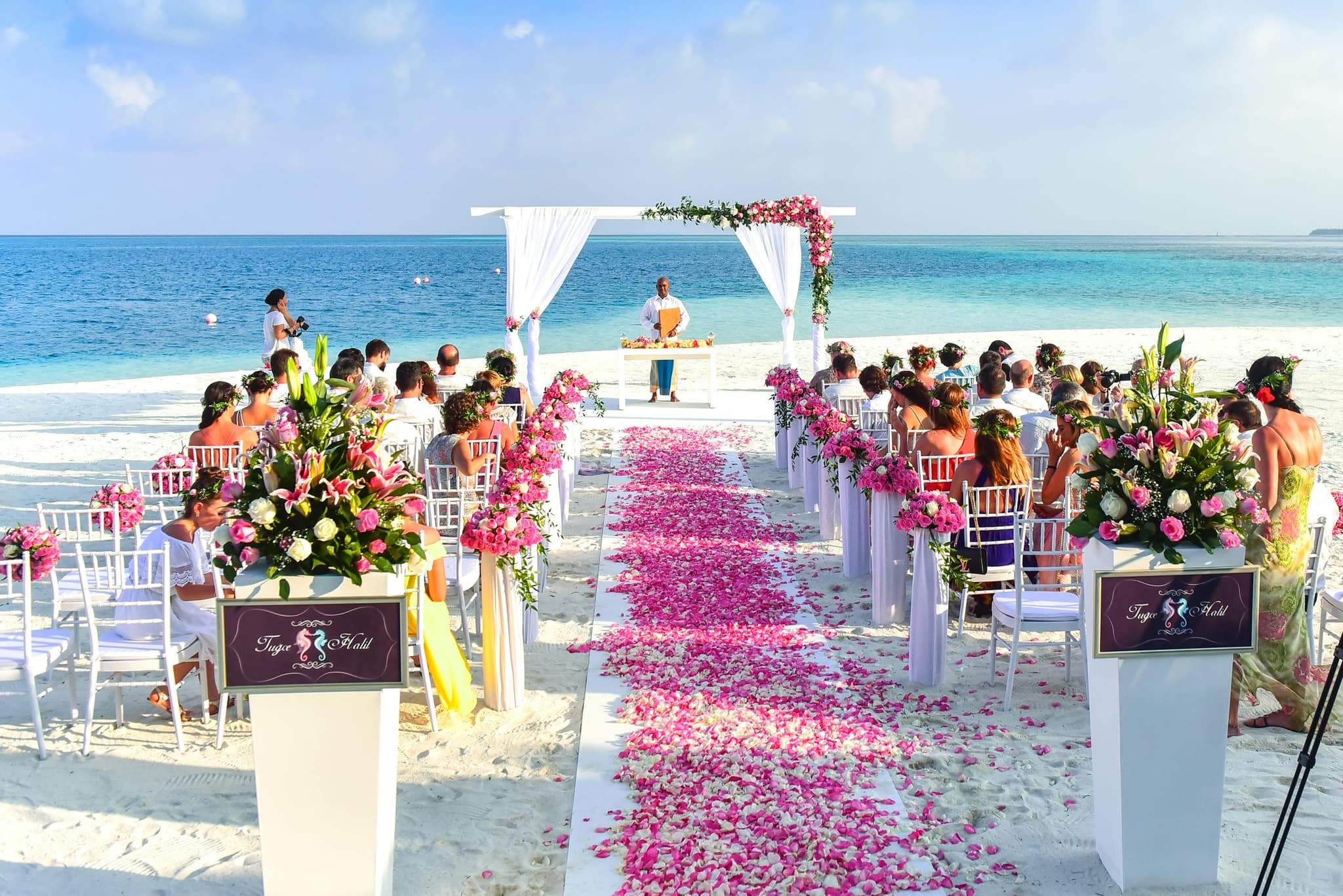
Venue growth sequence
Ads, landing page, human-led follow-up, booked tour
The 3-minute tour of wedding venue growth
Exclusive leads, fast human-led follow-up, and tours that show up. See how VenueFlow AI fills calendars for wedding and event venues.
Loading video

Creative
Sharper positioning and stronger offer framing
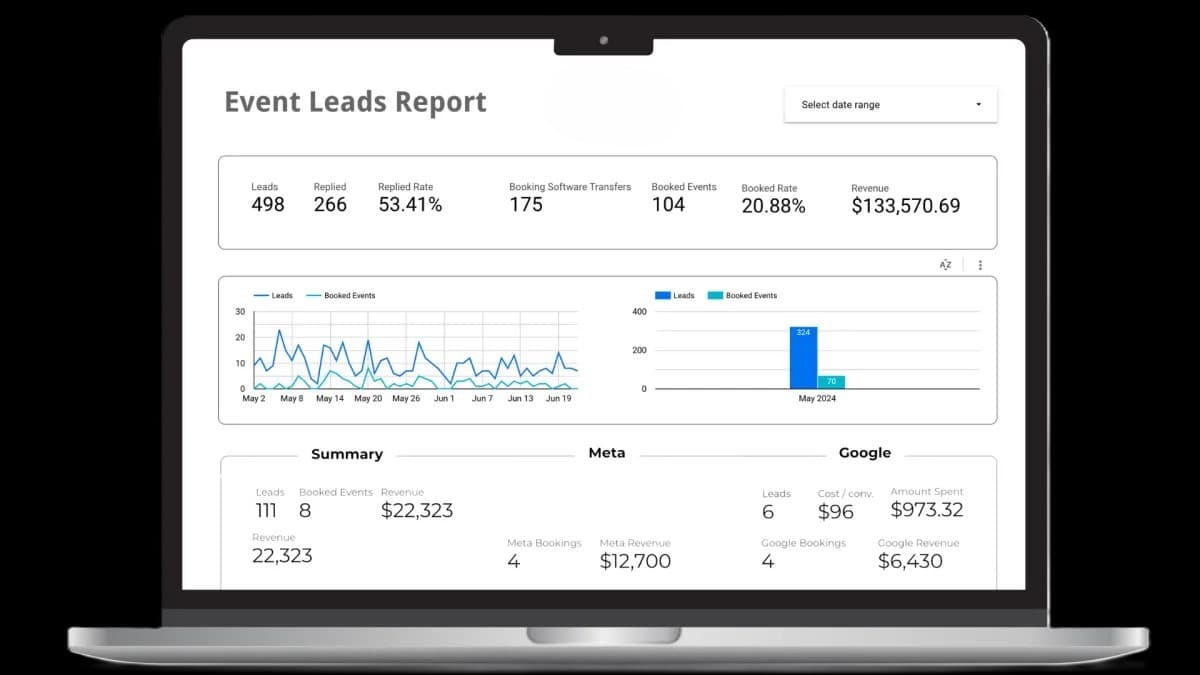
Reporting
Know what is turning clicks into real pipeline
Some of our clients
A structure that works across different venue models.
From boutique wedding venues to larger multi-event properties, these are the venue models that usually benefit most from a tighter growth system.
Barn & estate venues
Venues that need premium positioning instead of generic wedding-directory competition.
Ballrooms & banquet halls
Teams balancing weddings, private events, and shorter sales windows across multiple packages.
Country clubs & golf venues
Operators who need corporate demand, social events, and weddings working together year-round.
Multi-use event venues
Brands selling weddings, galas, showers, and weekday events from the same booking engine.
The three systems that make venue growth feel consistent instead of chaotic.
Marketing
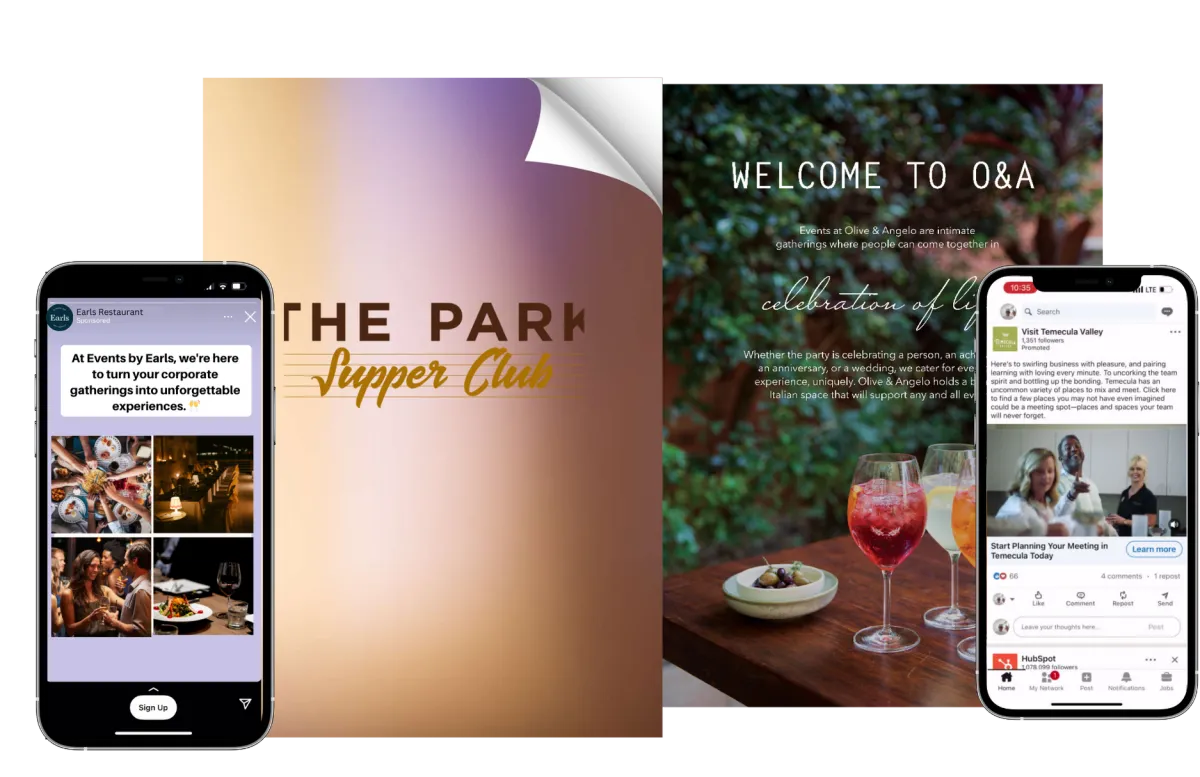
Bring in qualified demand with venue-specific positioning, creative, landing pages, and paid campaigns that are built to convert.
- Meta ads and Google ads
- Offer-driven landing pages
- Creative built for venue inquiries

Lead System Automation
Keep response times fast with instant replies, follow-up sequences, and tour-booking workflows that work even when your team is offline.
- Instant lead response
- Tour booking automation
- Lead nurture without manual chasing
Live Dashboard
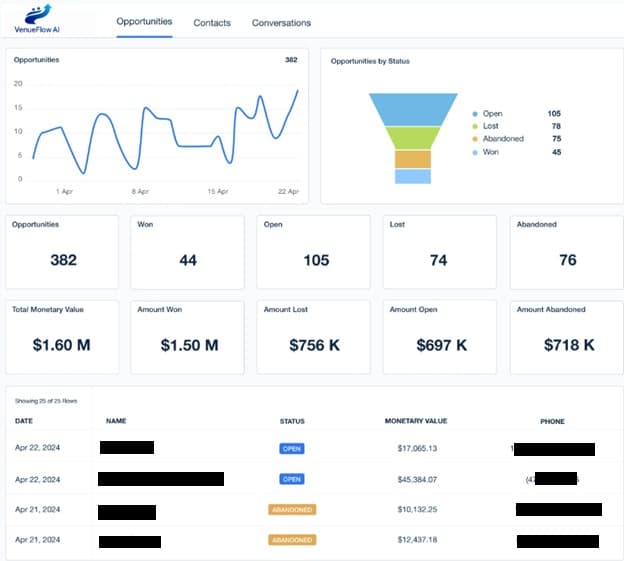
Track what actually matters: source quality, tour rate, proposal volume, and the channels that become real bookings.
- Source-by-source performance
- Pipeline visibility
- Revenue-linked reporting
A practical guide to creating a venue growth plan that brings in more qualified customers.
Use this page as a practical roadmap for tightening your positioning, improving conversions, and building a cleaner inquiry-to-tour system.
What this guide helps you do
- More qualified inquiries instead of broader but weaker lead volume
- A website that moves visitors toward a tour instead of asking them to figure it out alone
- A follow-up process that protects ad spend after every inquiry lands
- Stronger visibility into where bookings actually come from


Clarify the exact market your venue is built for
The fastest way to blend into the market is to describe your venue like every other venue in your area. Positioning becomes stronger when couples or planners can immediately tell who you are for.
Most venue websites try to sound broad enough for everyone. In practice, that often removes urgency for the buyer who would have been the perfect fit.
A better approach is to lead with the kind of booking you want more of, the atmosphere you create, and the practical reason your space wins for that type of event.
- Name the primary booking type you want to grow first
- Call out the guest-count range, style, or experience you deliver best
- Use photography and copy that match that specific promise
Quick checklist
- Your hero headline sounds specific, not generic
- Your lead offer matches the type of event you most want
- Your testimonials reinforce the same positioning
If your positioning feels broad, your competitors with a sharper message will feel safer to book.
Use Meta ads for the fastest demand generation loop
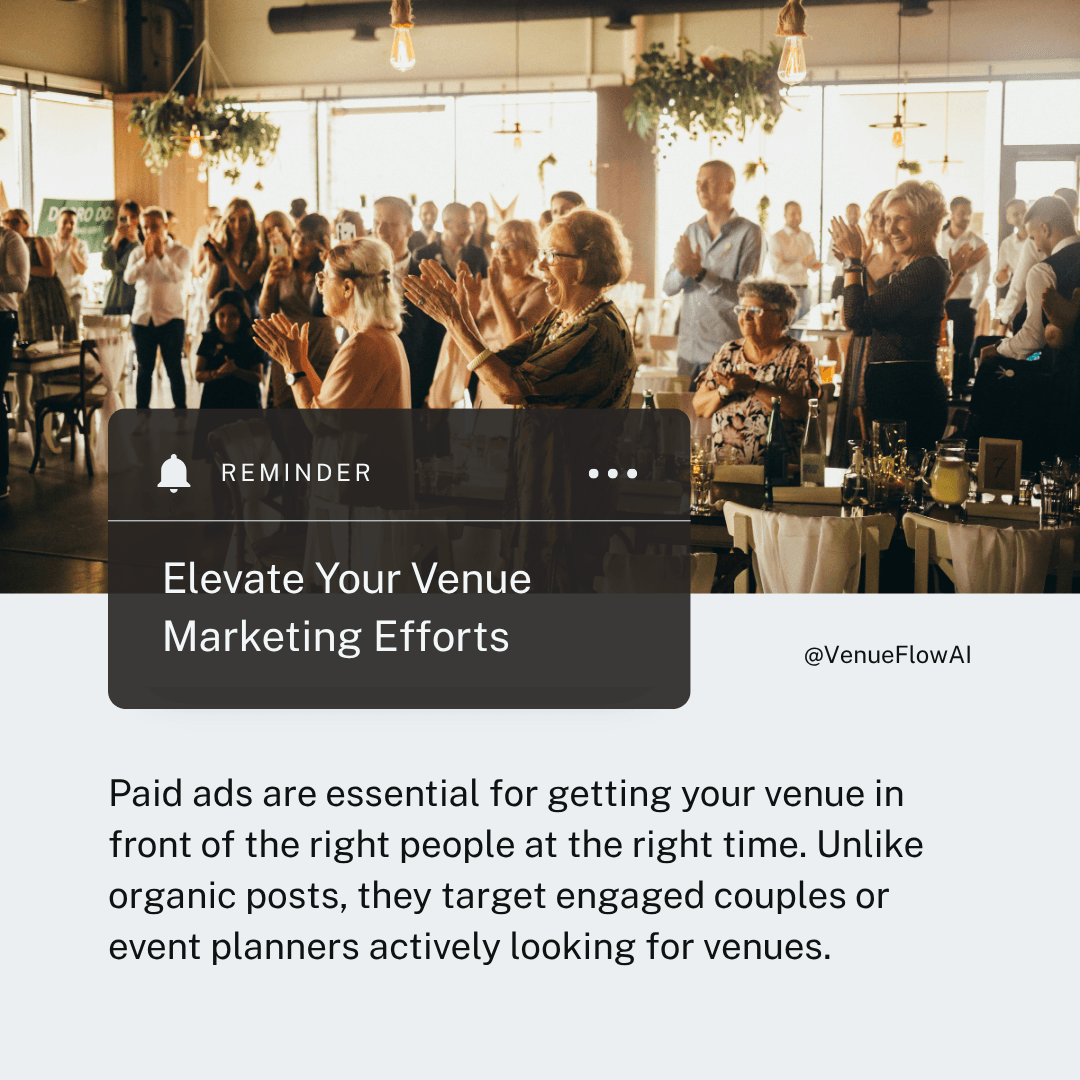
Meta ads are usually the quickest way for venues to create fresh demand, test offers, and see whether messaging resonates before waiting months for slower channels.
The advantage is not just reach. It is speed. You can test visuals, hooks, and offers quickly, then send that traffic to a page built around one action: book a tour, request pricing, or claim a planning guide.
The venues that win here usually simplify the path. They stop trying to educate, impress, and close all at once in one ad click.
- Lead with strong venue visuals and one emotional promise
- Pair every ad set with a dedicated page, not a generic homepage
- Install tracking so you can see cost per inquiry and tour rate
Quick checklist
- One campaign per audience or offer angle
- A clear call to action above the fold
- Retargeting for non-booking visitors and warm leads
Ready to apply this?
Want help building this system for your venue?
We can map your traffic, landing pages, follow-up, and reporting into one cleaner booking pipeline.
Build a website around one clear booking path
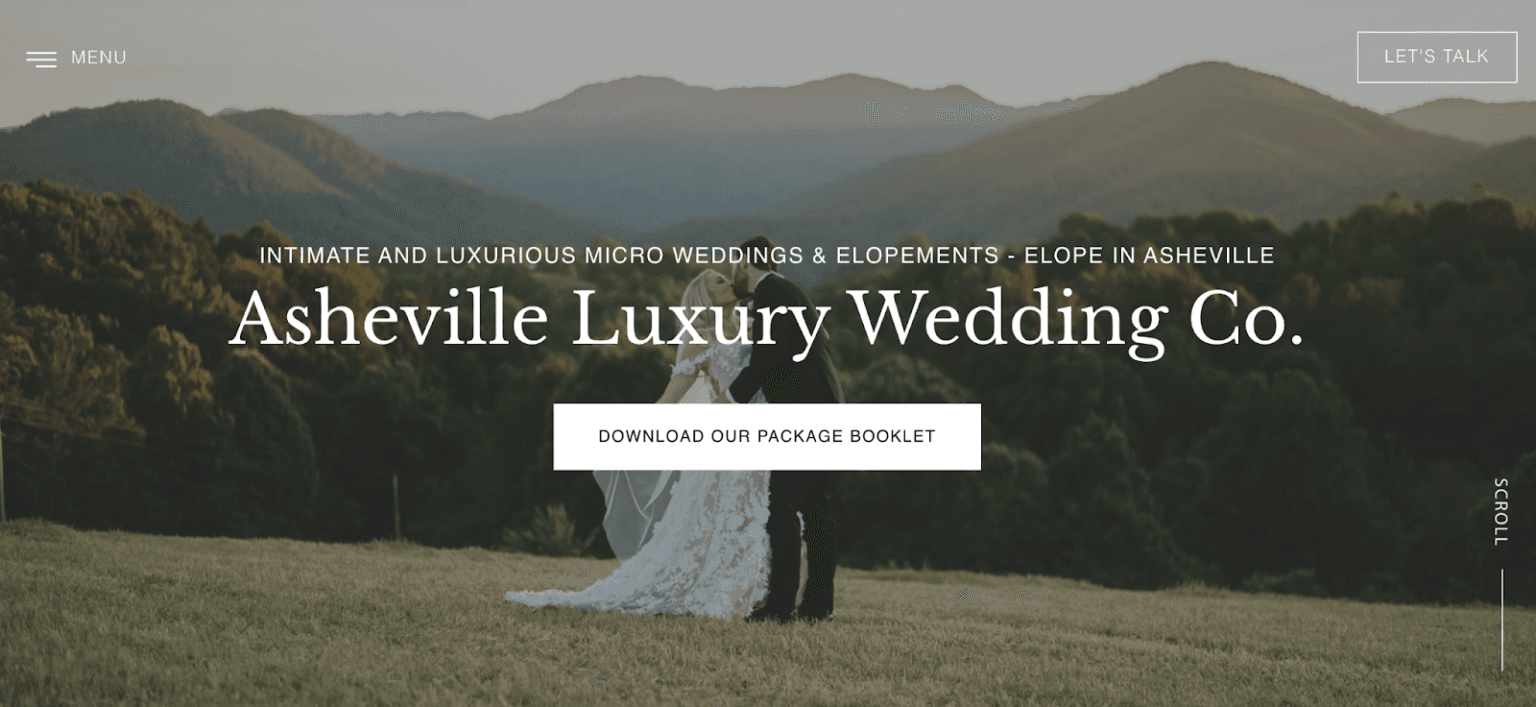
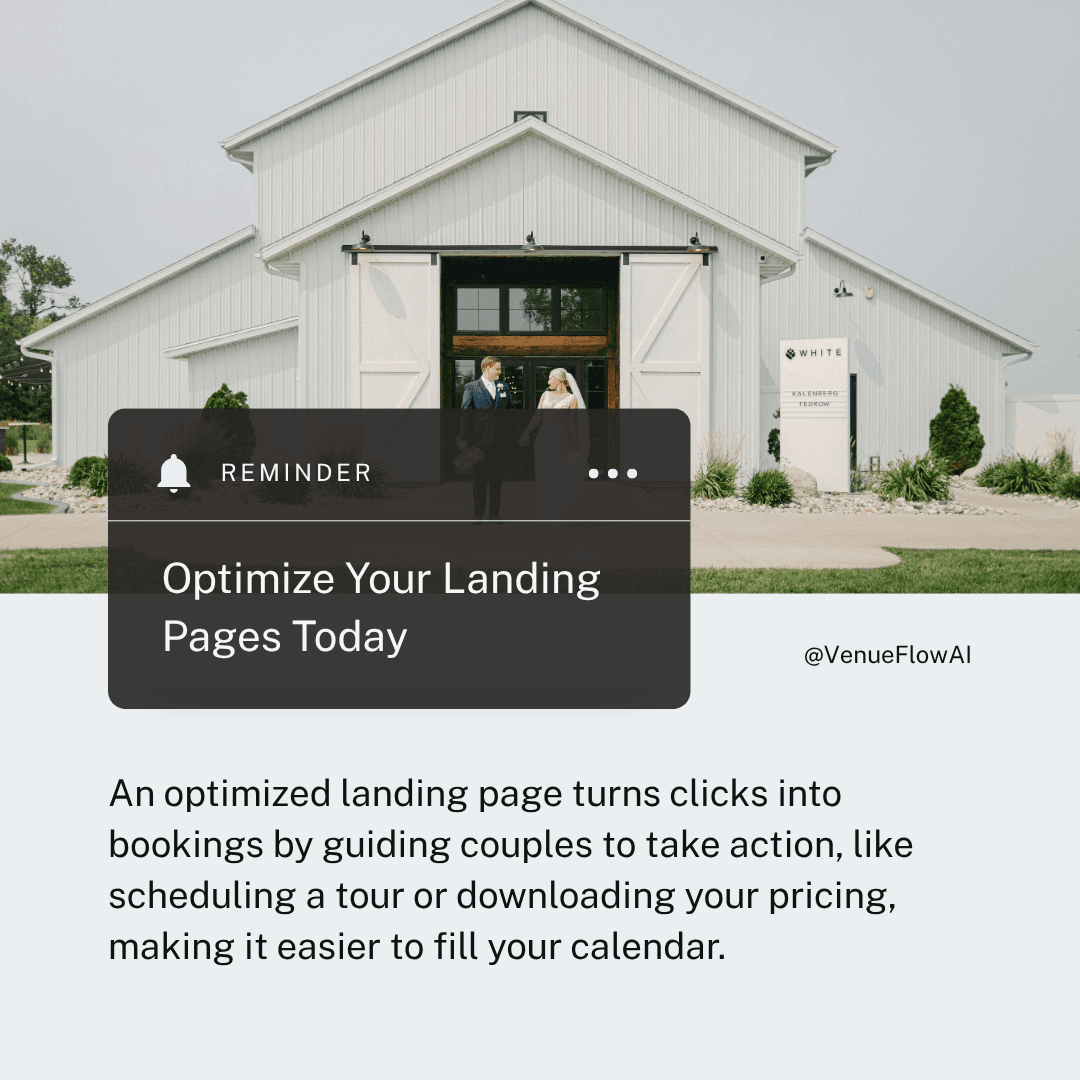
A good-looking site is not enough if visitors cannot quickly understand what to do next. The strongest venue sites reduce friction and make the next step obvious.
Your website should feel like a guided booking journey. Visitors need proof, clarity, and the confidence that reaching out will feel easy.
That means using fewer competing calls to action, stronger package framing, cleaner proof, and forms that do not ask for more than the next step requires.
- Make the primary CTA consistent across hero, sticky nav, and sections
- Answer pricing, capacity, style, and booking-process questions early
- Use trust signals where users hesitate, not buried at the bottom
Quick checklist
- Forms are short and easy to start
- The mobile experience keeps the CTA visible
- The page explains what happens after someone inquires
The job of the website is not to say everything. It is to get the right visitor to take the next confident step.
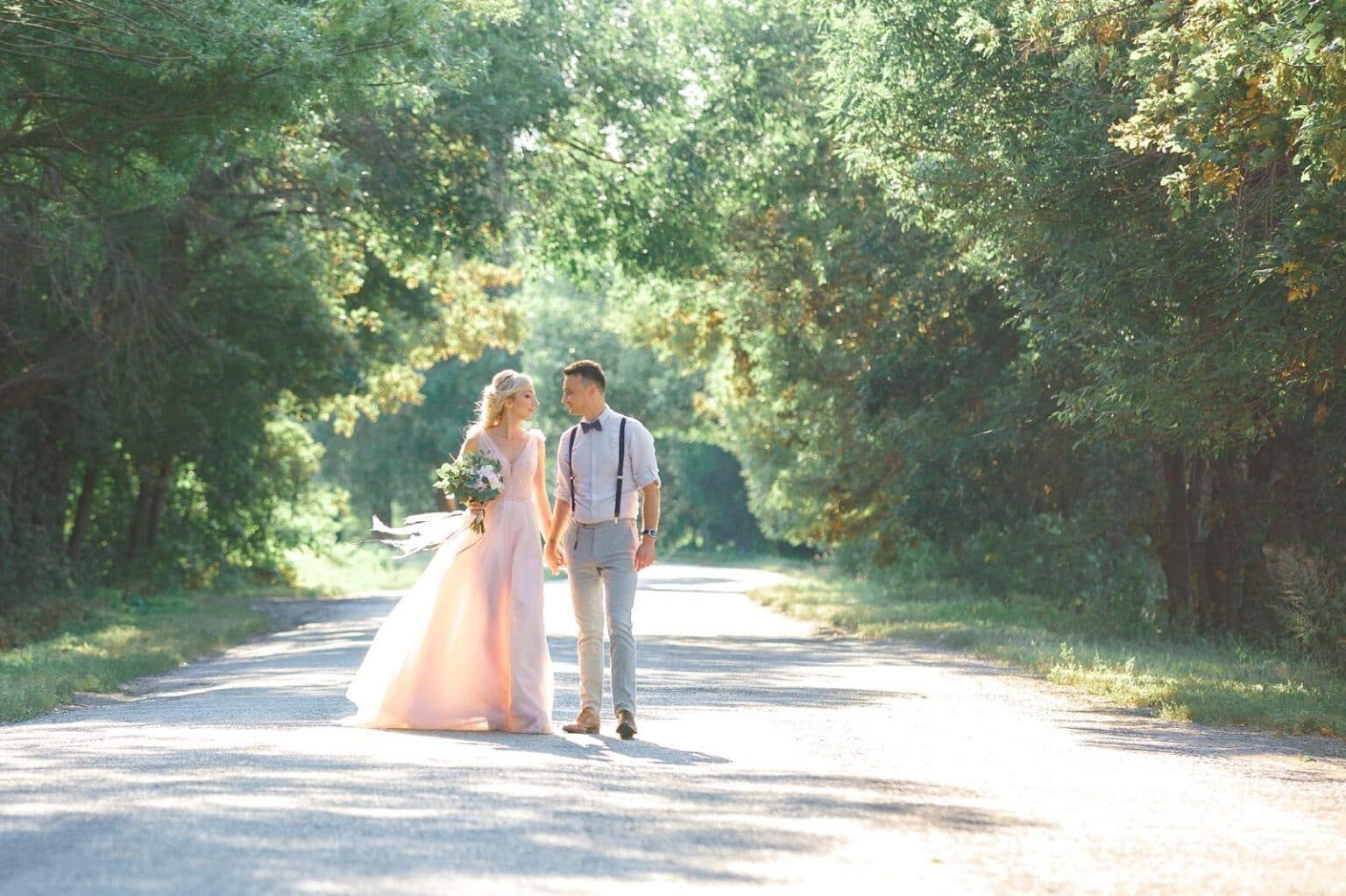
Add Google ads once your offer and landing pages are ready
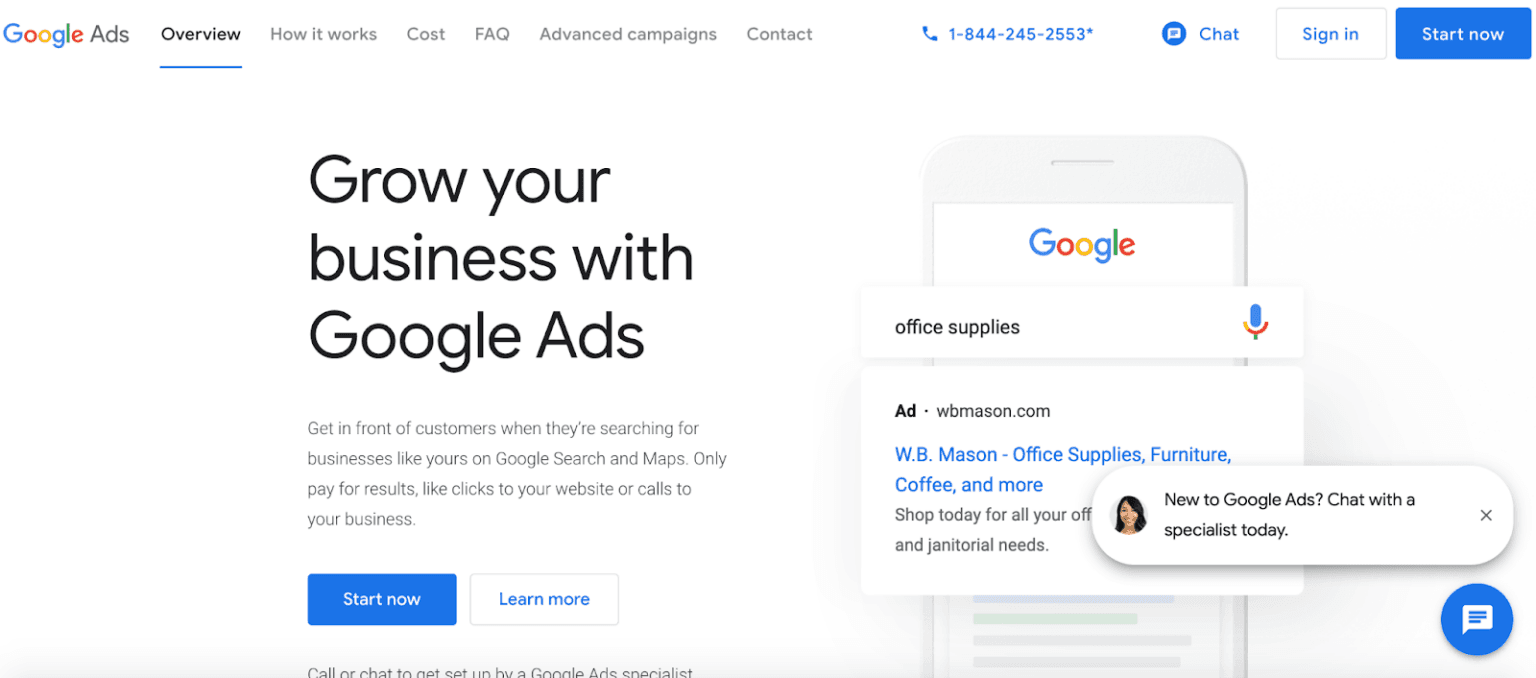
Google ads perform best when your message is already clear and your landing experience is strong. Otherwise you pay premium intent prices for a page that does not convert.
Search traffic is powerful because the need already exists. But that also means buyers compare quickly. Weak pages or vague headlines lose those clicks fast.
Use Google ads when you know which offer converts, which markets matter most, and which keywords connect to a real booking step.
- Separate branded, high-intent, and exploratory searches
- Match keyword groups with dedicated landing-page messaging
- Track inquiry-to-tour quality, not just form volume
Ready to apply this?
Want help building this system for your venue?
We can map your traffic, landing pages, follow-up, and reporting into one cleaner booking pipeline.
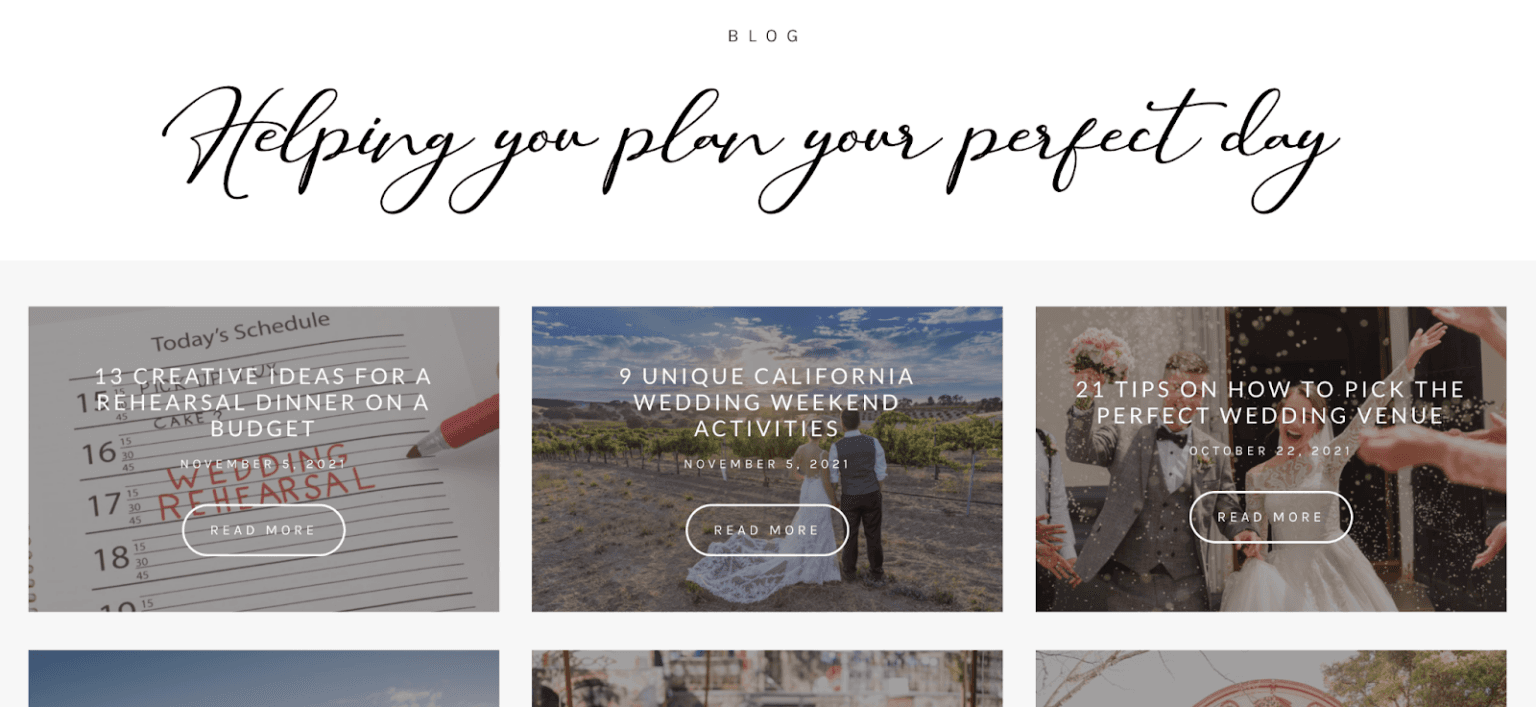

Create content that answers the real objections behind every inquiry
Content works when it removes uncertainty. For venues, that usually means helping buyers understand fit, logistics, experience, and what makes your process easier than the alternative.
This is where venue FAQs, planning guides, comparison pages, and educational articles help. They are not filler. They are sales support for buyers still deciding whether to contact you.
The best-performing content tends to map to actual sales conversations. If your team answers the same questions every week, those answers belong on the website.
- Write for common venue-selection questions
- Create guides that can also be used as lead magnets
- Repurpose sales-call insights into articles, checklists, and FAQ blocks
Quick checklist
- At least one high-value guide for cold visitors
- Search-friendly articles tied to real booking concerns
- Clear internal links from content back to conversion pages
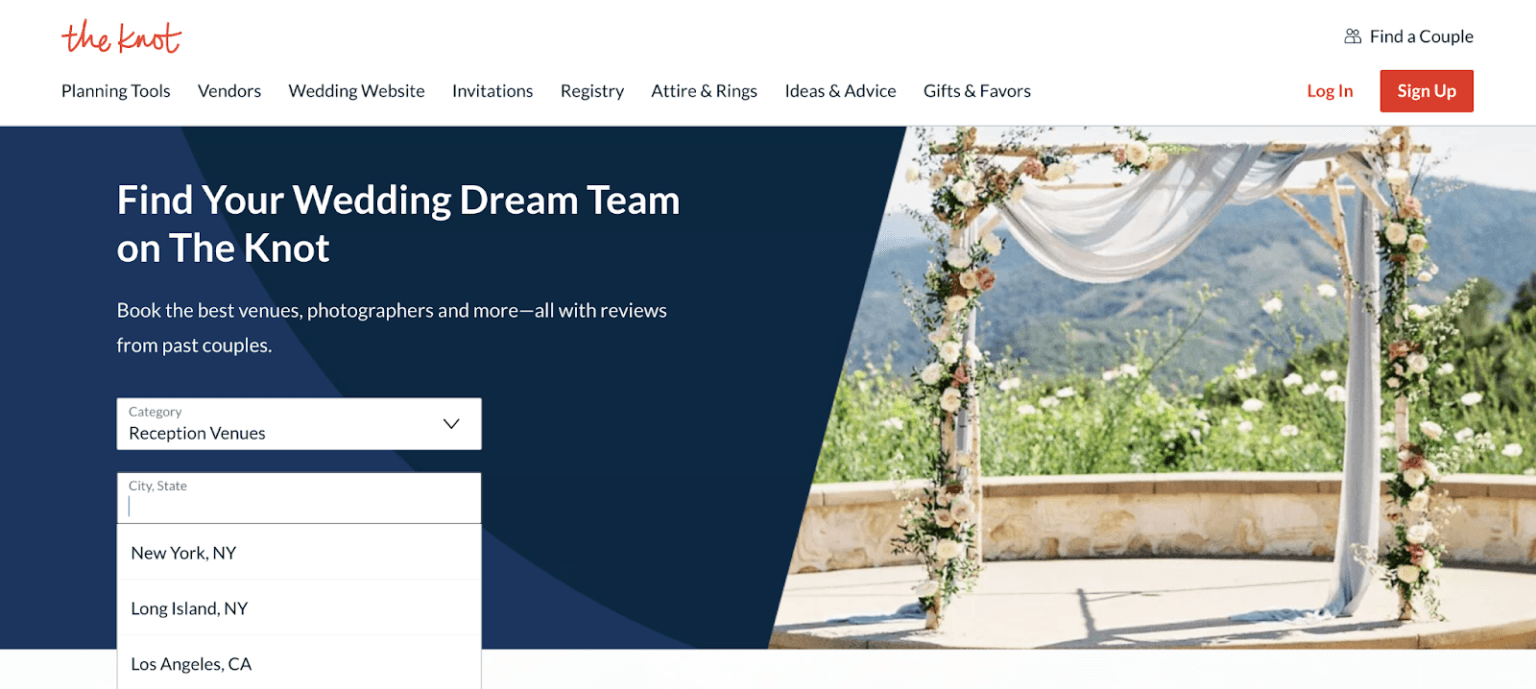
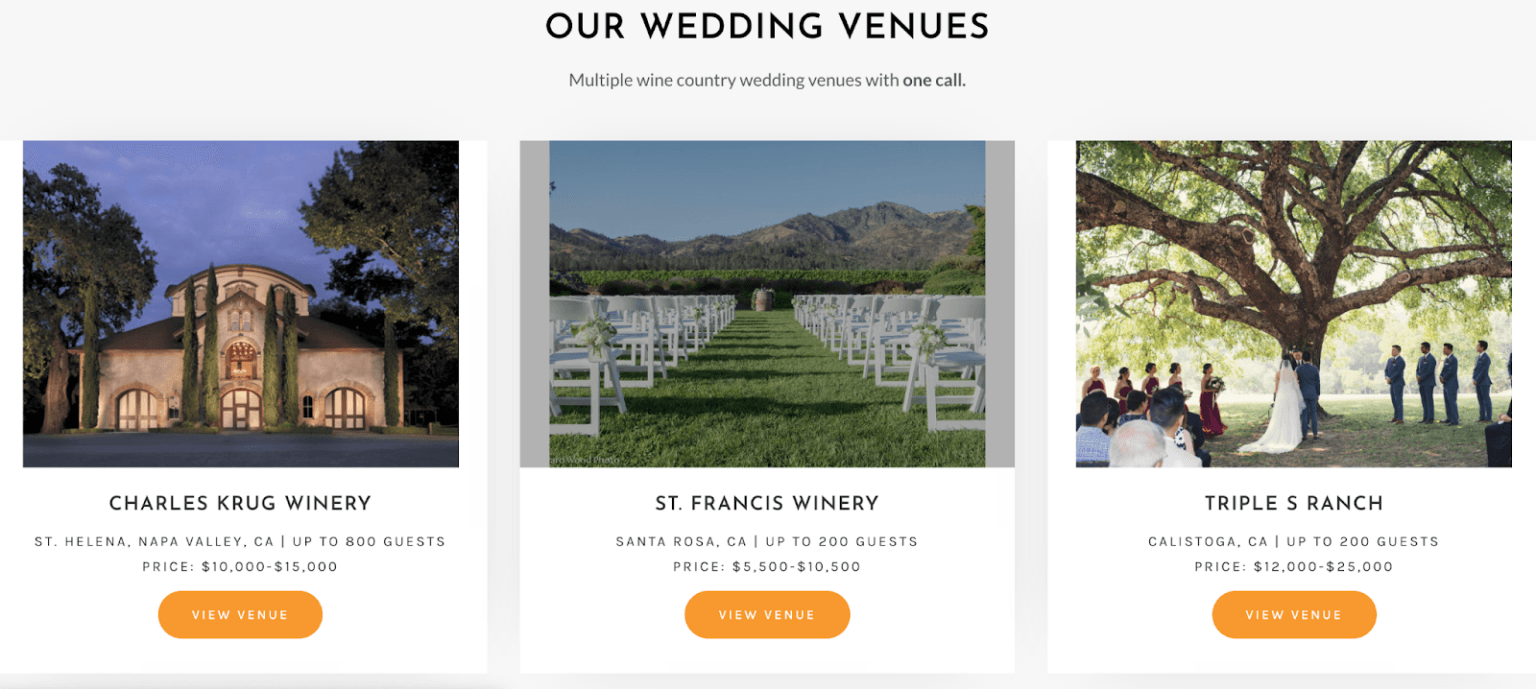
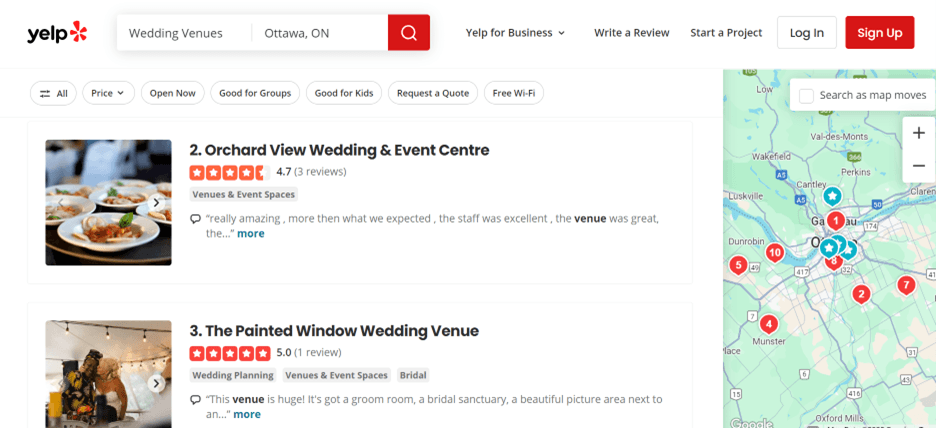
Use directories strategically instead of building the whole pipeline on them
Directories can create awareness, but they also create comparison pressure. If too much of your funnel depends on them, every inquiry starts with a race against several similar venues.
That is why stronger operators treat directory traffic as one layer, not the entire growth system. Their site, ads, follow-up, and retargeting keep working even when directory lead quality fluctuates.
If you do use directories, focus on listing quality, response speed, and what happens after the inquiry leaves the platform.
- Keep listing imagery and positioning aligned with your site
- Respond fast enough to beat slower competitors
- Move inquiries into your own follow-up system as soon as possible
Ready to apply this?
Want help building this system for your venue?
We can map your traffic, landing pages, follow-up, and reporting into one cleaner booking pipeline.
Protect speed-to-lead with a human-led follow-up system
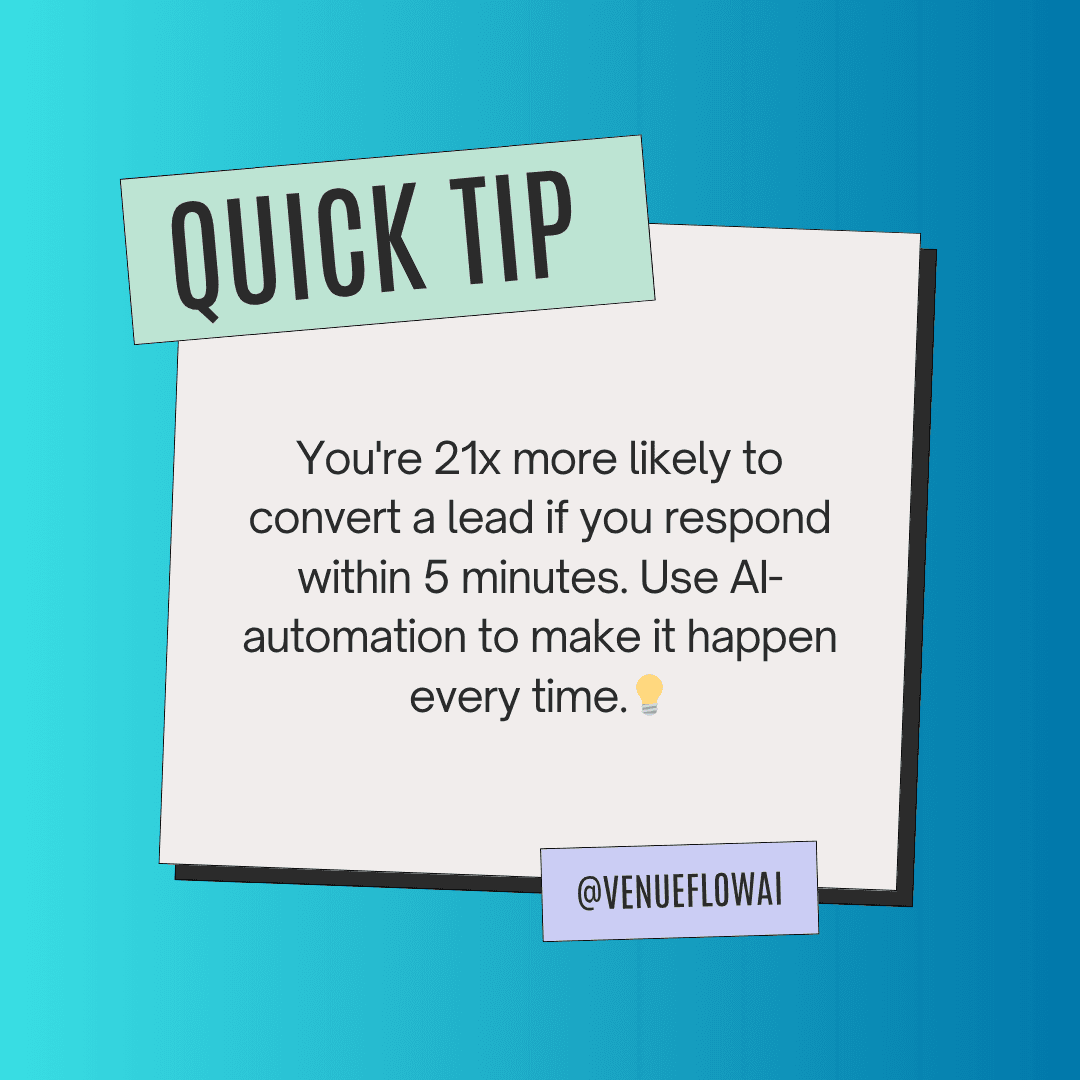
A slow response system quietly wastes every other marketing improvement. If leads wait hours for an answer, many of them will book tours elsewhere before your team replies.
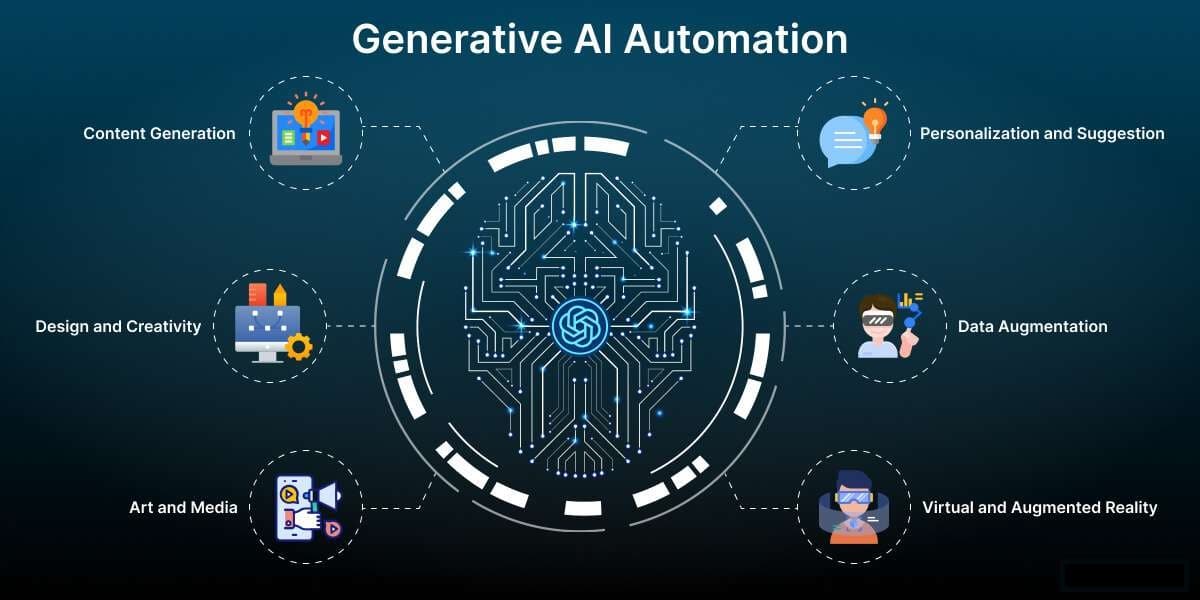
human-led follow-up helps protect demand you already paid for. It can respond immediately, route leads correctly, answer simple questions, and keep warm prospects moving toward a tour.
The goal is not robotic communication. The goal is consistent response speed, cleaner handoff, and fewer lost inquiries outside normal business hours.
- Instant acknowledgment and qualification
- Automated reminders and nurture before the tour
- Clear visibility for your sales team inside the pipeline
Quick checklist
- Leads get a meaningful response within minutes
- No manual copying between forms and CRM
- Tour requests trigger the right next-step automation
The venue that responds first often becomes the venue that gets toured first.
Get started for free today
If you want the VenueFlow AI team to help you turn this guide into a working growth system, book a strategy call and we will show you where the fastest wins are.

Build the system once. Let every page, ad, and follow-up reinforce the same booking path.
Show social proof where buyers naturally hesitate
Testimonials work best when they answer doubt at the moment it appears. On venue pages, that usually means near pricing questions, lead forms, and process explanations.
Instead of stacking generic praise, use proof that reduces friction: response speed, ease of planning, coordinator support, room transitions, guest experience, and what happened after booking.
Strong proof can also include metrics, featured work, campaign results, or screenshots from reporting dashboards if those support your value proposition honestly.