Venue Marketing / Lead Generation
Wedding Venue Social Media Marketing: Posts That Book More Tours
A reception room can look completely different at 11 a.m. than it did during last Saturday's wedding. The chairs are stacked. The lights are off. Nobody looking at the empty room can see the candlelit head table, the dance floor, or how 160 guests moved from ceremony to cocktails without a traffic jam.
That is the useful job of social media for a wedding venue. It gives couples enough context to imagine their day, then gives them a sensible next step. It is not a contest to post the prettiest photo or chase a bigger follower count.
This guide is for venue owners and marketing teams that want social media to create better inquiries and more tours. The practical work starts with the questions couples already ask, the parts of the venue they cannot understand from a static listing, and the handoff that happens after someone clicks.
Start with the questions that delay an inquiry
Most couples do not need another polished photo of a sweetheart table. They need to know whether the space fits their guest count, what happens if it rains, whether ceremony and reception can happen in one place, what the room looks like in winter, and how to book a tour without beginning an awkward email exchange.
Ask the sales team to keep a running list of the questions that come up before a tour. Those questions are a better content calendar than a folder of generic holiday ideas. A venue can turn one recurring question into a short video, a carousel, a Story highlight, a gallery caption, and a useful page on its website.
Useful subjects include:
- How 80, 120, and 180 guests fit in the same room.
- The path from ceremony to cocktail hour to reception.
- What a rainy-day plan looks like in practice.
- What is included with a room setup and what couples arrange themselves.
- How far in advance popular dates tend to be discussed.
- Parking, accessibility, getting-ready space, nearby hotels, and vendor loading.
This does not mean every post needs a long explanation. It means the feed should reduce uncertainty. When a couple understands whether the venue fits, the inquiry is more likely to be worth a sales conversation.
Show the venue as a working event space
Venue teams often have more usable material than they think. A planner walking a room, a florist installing an arch, a table reset between events, a rainy ceremony moved indoors, or a vendor loading in can all show how the venue works.
The strongest posts make a specific promise and then prove it. Instead of "a beautiful Saturday wedding," try "how this room hosted a 140-person reception with a separate lounge for grandparents and a clear dance floor." Instead of a generic exterior photo, show where guests arrive, where the ceremony starts, and where people go next.
Plan a short shot list for each real event, with the couple's and vendors' permissions handled before posting:
- An exterior or arrival view that establishes the property.
- A wide room shot before guests arrive.
- A detail that explains the setup, such as ceremony seating, a weather backup, or a lounge area.
- A short walk-through from one part of the event to another.
- One moment that gives the venue a human scale without turning every post into a couple portrait.
A good archive also makes the website better. Use the same real setups on event-type pages, galleries, and tour-booking pages. If those pages are weak or confusing, start with the conversion path in wedding venue website design before trying to make social posts do all the work.
Build four content lanes instead of chasing trends
Trends can be fun, but a venue cannot build its inquiry pipeline around an audio clip that disappears next week. Four steady content lanes are enough for most teams.
The first lane is venue proof. Show the rooms, views, lighting, layouts, seasons, and event flow that make the venue distinct. Give the post a practical caption: guest count, event type, setup choice, or planning detail.
The second lane is planning help. Answer the questions that stall people before a tour. Explain a rain plan. Show the difference between a 100-person and 180-person layout. Walk through where the wedding party gets ready. Pair the post with a relevant page, not a homepage that makes the visitor hunt for the answer.
The third lane is trust. Share a review with enough context to mean something, then show the part of the experience it describes. A kind note about calm coordination is stronger beside a real timeline, vendor handoff, or room turnaround than it is alone on a branded graphic.
The fourth lane is local relationships. Planners, photographers, caterers, DJs, hotels, and rental teams already help couples make decisions. A useful vendor collaboration can show the venue in action, reach a relevant local audience, and create content both businesses can share. Make the post helpful to the couple first. A tagged vendor list with no story rarely earns much attention.
Google's guidance on creating helpful content asks site owners to make content for people and show first-hand expertise, rather than produce pages mainly for search engines (Google Search Central). The same test works for social. If a post could belong to any venue in any city, it probably is not pulling its weight.
Match each post to one next step
A social post should not need a hard sell in every caption. It does need a destination that matches the reader's intent.
A post about a spring ceremony layout can link to a wedding gallery or availability page. A post answering guest-count questions can link to an event-space page. A tour-day walk-through can point to a booking form. A vendor collaboration can lead to a page that explains what couples can expect when they plan at the venue.
The destination matters because social attention is brief. If a couple clicks an Instagram profile link and lands on a generic homepage with no clear tour or availability path, the post has created work for the visitor. A page that carries the same promise forward has a better chance of creating an inquiry.
Google's local ranking guidance says local results are mainly based on relevance, distance, and popularity, and it recommends complete, accurate business information so customers can understand what a business does and where it is (Google Business Profile Help). Keep those basics consistent across the social profile, Google Business Profile, and website. Different addresses, stale hours, or vague descriptions create doubt at the exact moment a couple is comparing venues.
If your team has traffic but cannot turn it into conversations, VenueFlow AI's lead generation service can help connect the offer, landing page, response process, and reporting instead of treating social as a separate project.
Use short video when movement answers the question
A Reel is useful when a couple needs to see movement or scale. A 20-second path from the entrance to the ceremony space can answer more than a caption. So can a quick before-and-after of a room flip, a rainy-day setup, or a walk from cocktail hour into the reception.
Photos still have a job. A clear room shot lets people pause and inspect the layout. A carousel can explain what changes at different guest counts. Stories can handle timely moments, vendor tags, and informal answers that do not need a permanent place in the feed.
Do not force every event into every format. Pick the format that makes the point easiest to understand, then write a caption that tells a reader what they are looking at. A little context beats a vague line about making memories.
Keep accessibility in the workflow too. Write useful alt text for website images, caption spoken video where practical, and avoid placing the only important information in a fast-moving text overlay. The W3C's accessibility guidance explains that web accessibility helps people with disabilities use the web. It also makes the venue's content easier for more people to understand.
Track the path from post to tour
Likes and views are signals, not outcomes. A video may reach thousands of people who will never plan an event in your market. A quieter post about a specific ceremony setup may send five people to the website, with two of them ready to tour. The second post is often the more valuable one.
Use a consistent link structure. Google explains that UTM campaign parameters on destination URLs let Analytics identify which campaigns referred traffic in its traffic acquisition reports (Google Analytics Help). Give your team a simple naming convention and use it for organic profile links, paid campaigns, vendor partnerships, QR codes, and open-house promotion.
For example, a link from a ballroom setup post might use:
utm_source=instagramutm_medium=organic_socialutm_campaign=fall_tours_2026utm_content=ballroom_160_guest_setup
Google Analytics can also measure specific interactions as events, including link clicks and other website actions (Google Analytics Help). Track the steps that matter to a venue: an inquiry form submission, a tour-button click, a phone-number click, a calendar booking, or a pricing-page visit. Then carry the source into the CRM so the team can see whether the inquiry became a tour and a booked event.
The full scorecard belongs in wedding venue analytics tracking. For social, the weekly question is simple: which post, campaign, partner, or link created qualified inquiries and tours?
Do not let fast interest die in the inbox
A social post can start the conversation outside regular office hours. The inquiry may arrive as a form, a direct message, a phone call, or a response to a Story. The channel changes, but the follow-up expectation does not.
Harvard Business Review reported that firms contacting potential customers within an hour of receiving a query were nearly seven times as likely to qualify the lead as firms that waited even an hour later, and more than 60 times as likely as companies that waited 24 hours or longer (Harvard Business Review). Couples contacting venues often have several tabs open and several inquiries out. A warm reply tomorrow afternoon may arrive after they have already booked another tour.
Set an owner for every inbox. Give the team a short first-response template that acknowledges the request, asks one useful qualifying question, and offers a next action. Then make sure that conversation is recorded in the same system as website and phone leads. Done-for-you communication is useful when the team needs a consistent first response outside the hours it can personally cover.
A weekly social review that does not waste an hour
Set aside 20 minutes each week. Pull the posts and campaigns that produced profile visits, website sessions, inquiries, and tours. Look at the previous 7 days and the previous 30 days so one busy weekend does not distort the decision.
Ask:
- Which post answered a real planning question?
- Which post sent people to a relevant page?
- Which source created qualified inquiries?
- Which inquiry waited too long for a response?
- Which format is worth repeating with a new setup or season?
- Which post looked busy but did not create useful action?
Then make one change. Reuse a clear guest-count post with a different room setup. Turn a strong vendor collaboration into a website gallery section. Replace a bio link that sends visitors nowhere useful. Improve a landing page that gets clicks but no inquiries.
Social media works best when it is part of the booking system, not a lonely marketing chore. Show the venue honestly. Answer the questions couples are already asking. Send them somewhere useful. Respond while the interest is still there. Then track whether the work created tours.
VenueFlow AI helps wedding and event venues connect lead generation, follow-up, CRM tracking, and marketing reporting around booked events. Explore VenueFlow AI services if you want a social and lead-handling system that makes it clear what is filling the calendar.
Key Takeaways
- Wedding venue social media should answer planning questions and lead naturally to a tour, availability check, gallery, or inquiry page.
- The most useful content comes from real spaces, real setups, real vendor relationships, and questions the sales team hears every week.
- Every social link needs a relevant destination and consistent UTM naming so the venue can connect a post to inquiries and tours.
- Fast follow-up matters after a social inquiry because couples often contact several venues during the same planning window.
- VenueFlow AI can connect social demand, lead response, and CRM tracking so venues can see what creates booked tours.
Frequently Asked Questions
Written by
Zaid Mohamed
Founder, VenueFlow AI
Zaid Mohamed is the founder and CEO of VenueFlow AI. He started in venue marketing at 19 and has spent the last several years building lead generation, lead handling, and booking systems for wedding and event venues across Canada and the United States. After watching independent venues lose bookings to slower competitors week after week, he built VenueFlow AI to give them the same response-time edge as national chains. He writes about venue marketing strategy, lead response economics, and how AI changes the booking pipeline.
LinkedInTurn this into booked tours
Want help applying this to your venue pipeline?
VenueFlow AI combines wedding venue lead generation, instant human-led follow-up, and CRM tracking so your team can respond faster and book more tours from the same demand.
Related Articles
Venue Marketing / Lead Generation
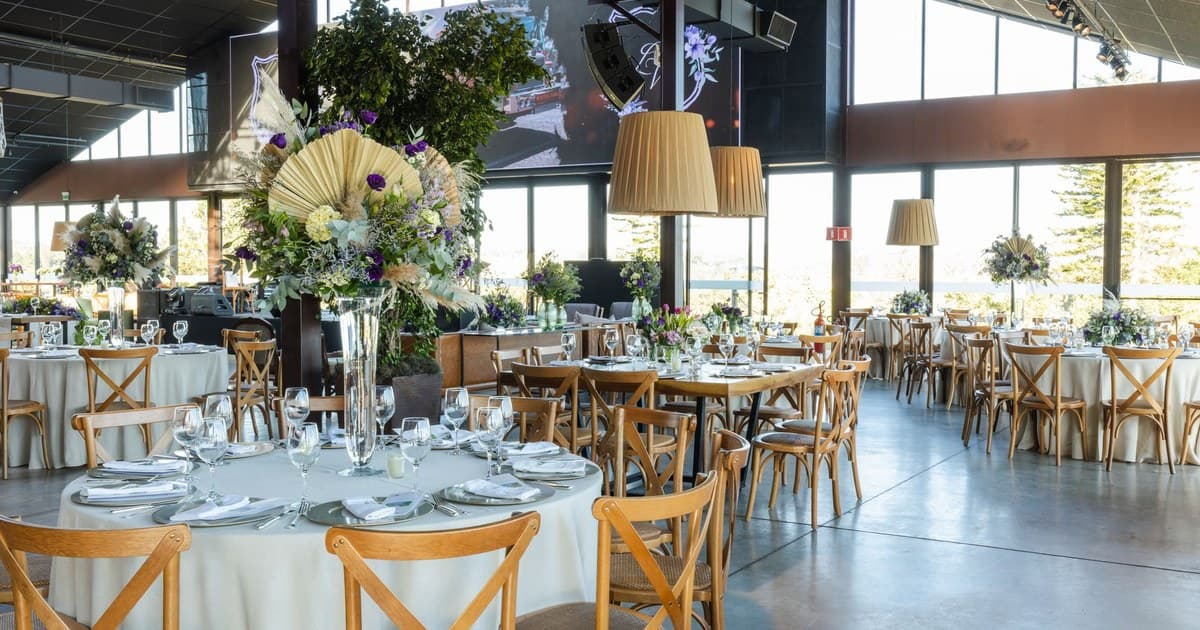
Wedding Venue Marketing Plan: 90 Days to More Tours
Build a practical 90-day wedding venue marketing plan that turns search, ads, social proof, follow-up, and CRM tracking into more qualified tours.
Venue Marketing / Lead Generation
Wedding Venue Website Design: What Turns Visitors Into Tours
A practical wedding venue website design guide for turning Google, ad, and social traffic into qualified inquiries, booked tours, and trackable revenue.
Lead Generation / Venue Marketing
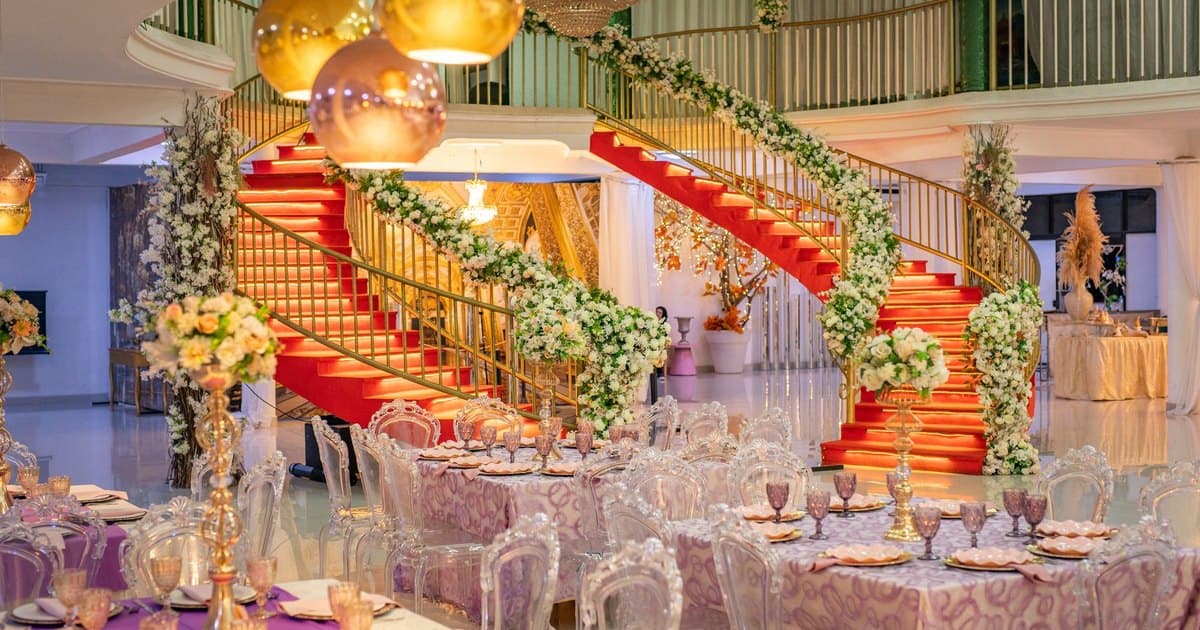
Wedding Venue Analytics: Track Marketing to Booked Tours
A practical wedding venue analytics guide for tracking inquiries, tours, bookings, revenue, response time, and source quality clearly.